
By Abdulsamad Ajisafe
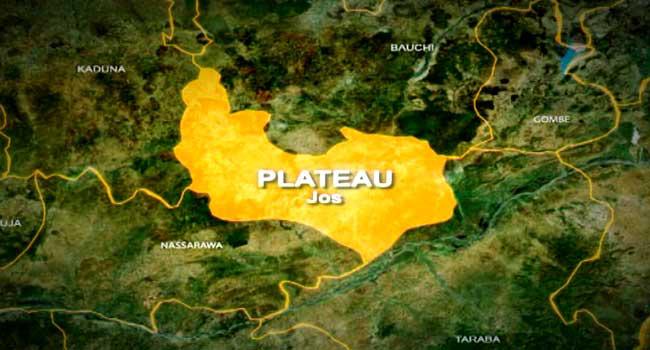
After more than two decades without electricity, residents of Namu community in Quan’Pan Local Government Area of Plateau State on Thursday celebrated the commissioning of a 50-kilowatt solar mini-grid project that has restored power to the area.
The project — implemented through a partnership between the Global Environment Facility (GEF), United Nations Development Programme (UNDP), Rural Electrification Agency (REA), Plateau State Energy Corporation, and Cloud Energy — is part of ongoing efforts to expand rural electrification across the state.
Speaking during the commissioning, Governor Caleb Mutfwang described the project as “a new dawn” for Namu, noting that it marks the beginning of sustained development for communities that have long remained in darkness.
“Today, Quan’Pan that once sat in darkness has seen the light,” the governor said. “Since we came into office, we’ve been working to break the jinx of underdevelopment in this area. Electricity, roads, and water supply are three key priorities for my administration.”
Mutfwang revealed that about six kilometres of the Jibam Road are nearing completion and promised that more kilometres would be constructed before the next rainy season. He also assured residents that plans were underway to tackle the community’s water supply challenges.
The governor described the solar project as “the beginning of a journey of transformation” that would enhance livelihoods and spur economic growth across Plateau’s rural areas.
Chairman of Quan’Pan Local Government Area, Hon. Christopher Audu Manchip, hailed the project as the first of its kind in the region, saying it had brought “development back to the grassroots.”
“On behalf of the good people of Quan’Pan, we thank the governor for bringing us out of poverty to progress. This project has changed our story,” he said.
Director-General of the Plateau State ICT Development Agency and an indigene of Namu, Mr. Dating Dominic, noted that the solar grid would power homes, small industries, and key economic centres such as rice mills and local markets.
He said the project not only promotes renewable energy but also supports the economic base of Quan’Pan and Namu in particular.
Community leaders and residents, including Ambassador Yahaya Kwande, expressed excitement, describing the project as a life-changing development that would improve local business activities and living conditions.
The Namu solar mini-grid forms part of Nigeria’s broader drive to deepen renewable energy adoption and achieve sustainable rural electrification nationwide.