
By Abdulsamad Abdulmalik
A former Rector of Kwara State Polytechnic and educationist, Dr. Yahya Abdulkareem Adelodun, has called for a more accessible education system, saying the free education and scholarship policies of the past provided greater opportunities for Nigerians than the current student-loan system.
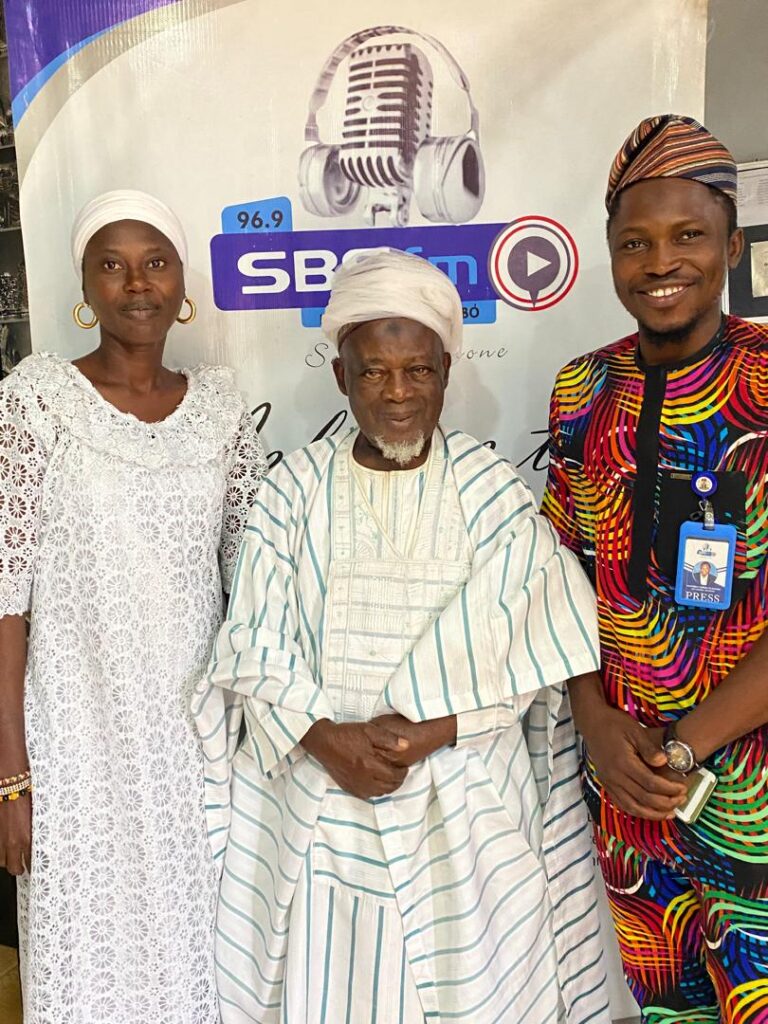
Dr. Adelodun made the call while sharing his educational and professional experiences on SBS radio magazine program Gbagede Ara monitored by reporter Abdulsamad Abdulmalik.
He recalled that education was free under the administration of the late Premier of Northern Nigeria, Sir Ahmadu Bello, noting that students from less privileged backgrounds were able to access quality education without the burden of tuition fees.
According to him, he studied Civil Engineering at Ahmadu Bello University through government sponsorship and later obtained a master’s degree in the United Kingdom and a doctorate in the United States through scholarships.
Dr. Adelodun said the scholarships covered most of his expenses, including feeding and transportation, adding that his salary and promotion were also maintained while he pursued further studies.
Reflecting on employment opportunities at the time, he said graduates had better prospects, noting that he had several job offers even before completing his National Youth Service Corps, NYSC, programme.
He, however, advised the Federal Government to reform rather than scrap the NYSC scheme, describing it as beneficial to national integration and development.
The educationist said his experiences convinced him that the previous free education and scholarship system was more beneficial than the current student-loan arrangement.
He urged the government to prioritise affordable and accessible education, particularly for young Nigerians who may not have the financial capacity to fund their education through loans.
Dr. Adelodun also attributed Nigeria’s slow pace of development to corruption and poor management of the country’s human and natural resources.
He called for stronger investment in education, improved management of public resources and the creation of more opportunities for young Nigerians, stressing that education remains a major foundation for national development.