
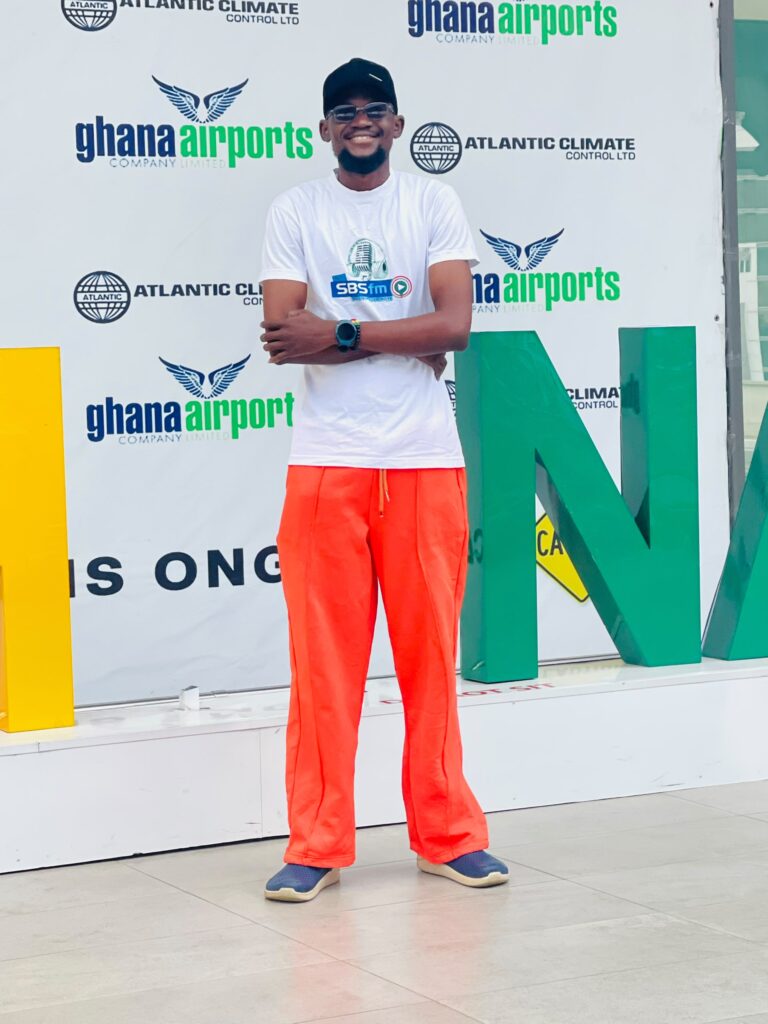
By Abdulraheem Olanrewaju, Manager, SBS 96.9 FM Ilorin
Some journeys are taken for rest. Others are taken for discovery. My recent visit to Ghana, through Accra, Cape Coast, and Kumasi, turned out to be both. It combined cultural exploration, historical discovery, and a deeper encounter with Africa’s heritage, leaving me with memories I will carry for a very long time.
Accra welcomed me with the warmth of a city that knows exactly who it is: busy, proud, and generous. Conversations came easily, hospitality was never in short supply, and from the very first day I felt the quiet kinship that exists between Nigerians and Ghanaians. But it was the road to Cape Coast that would become the most memorable and emotionally significant part of my journey.
I have read about the trans-Atlantic slave trade. I have seen the photographs and watched the documentaries. Nothing prepared me for Cape Coast Castle. One of Ghana’s most important heritage sites, and part of the UNESCO-listed Forts and Castles of Ghana, it began as a European trading post before becoming deeply connected with the trade in enslaved Africans.
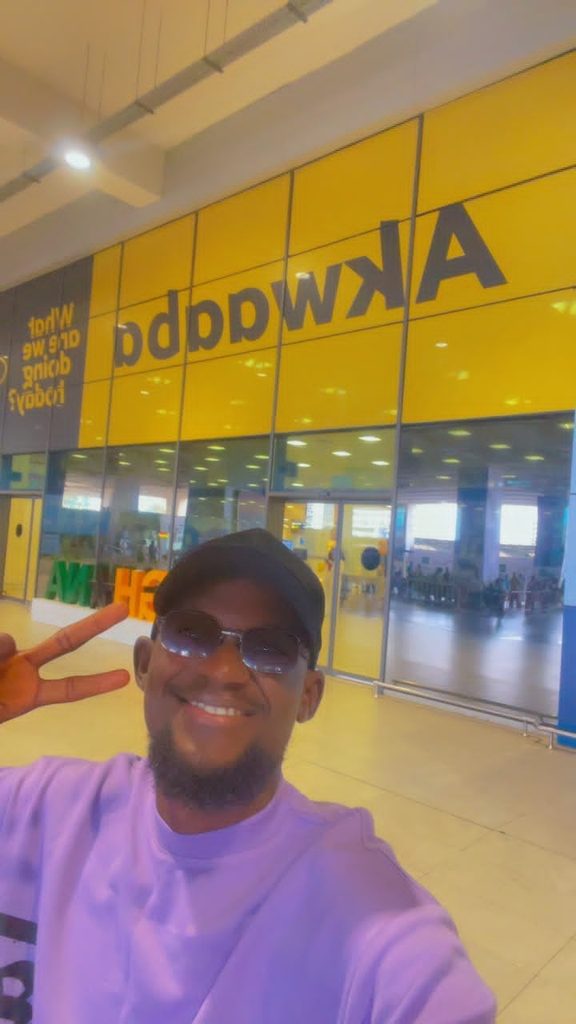

Walking through it was far more than a tour of an old building. It was an encounter with a painful chapter of our history.
The dungeons, the confined spaces, the courtyards, and the narrow passageways spoke without saying a word. Standing where men and women were once imprisoned and treated as commodities before being taken from their homeland, I felt the weight of it all. Some experiences cannot be fully captured by books or pictures. You have to be there, and even then, the silence stays with you.
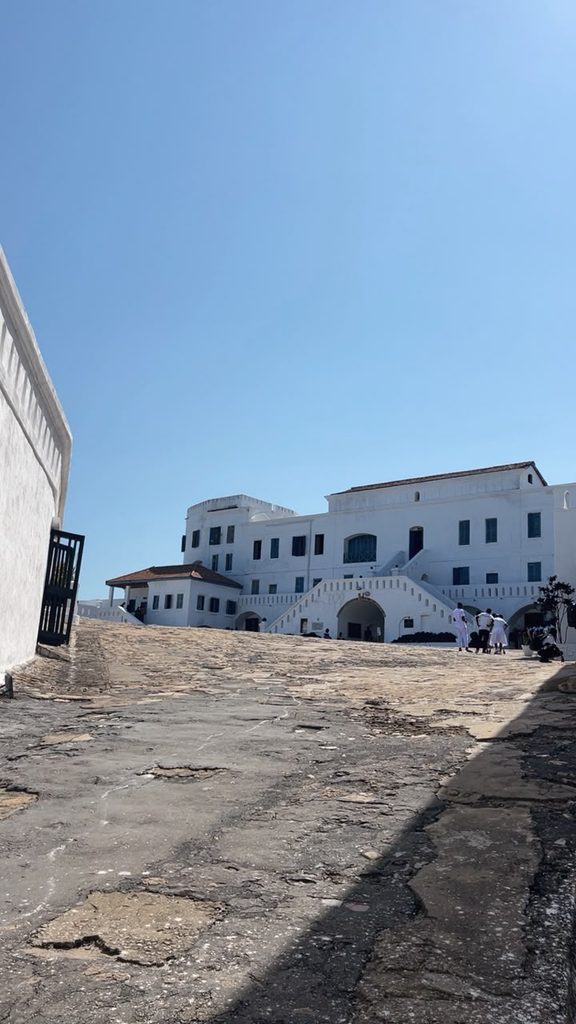
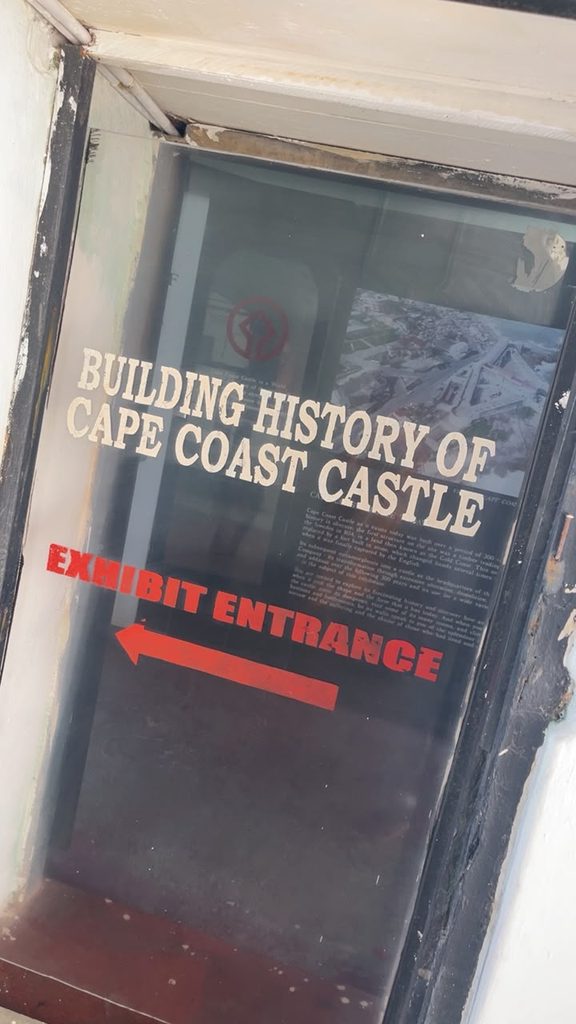
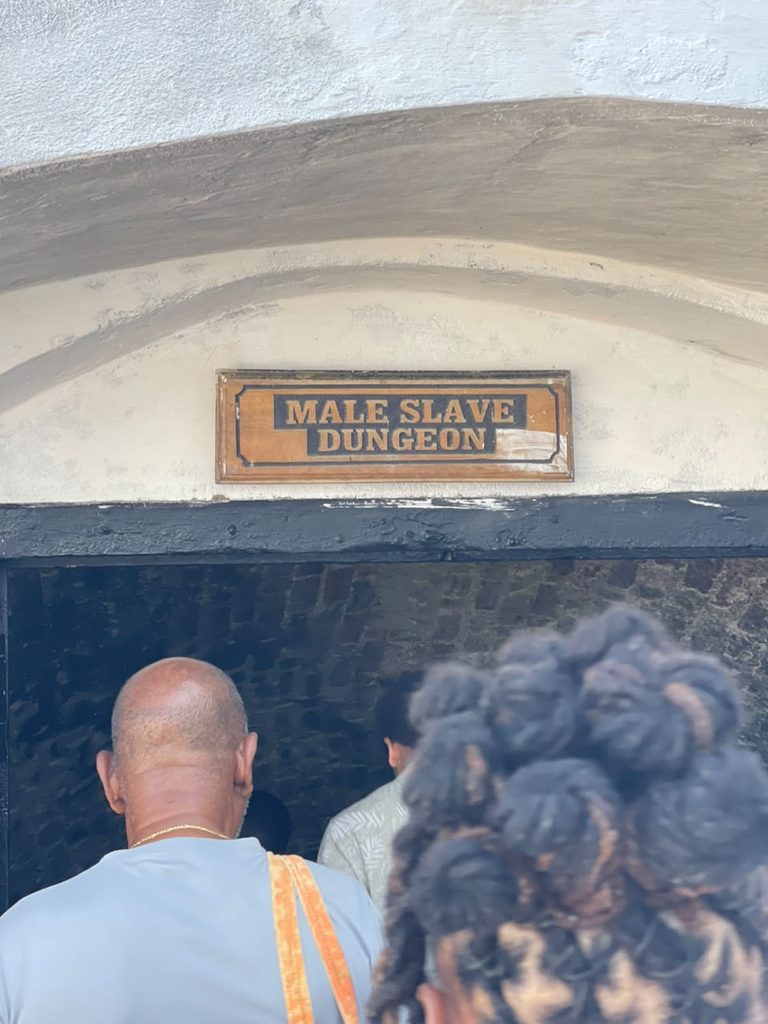
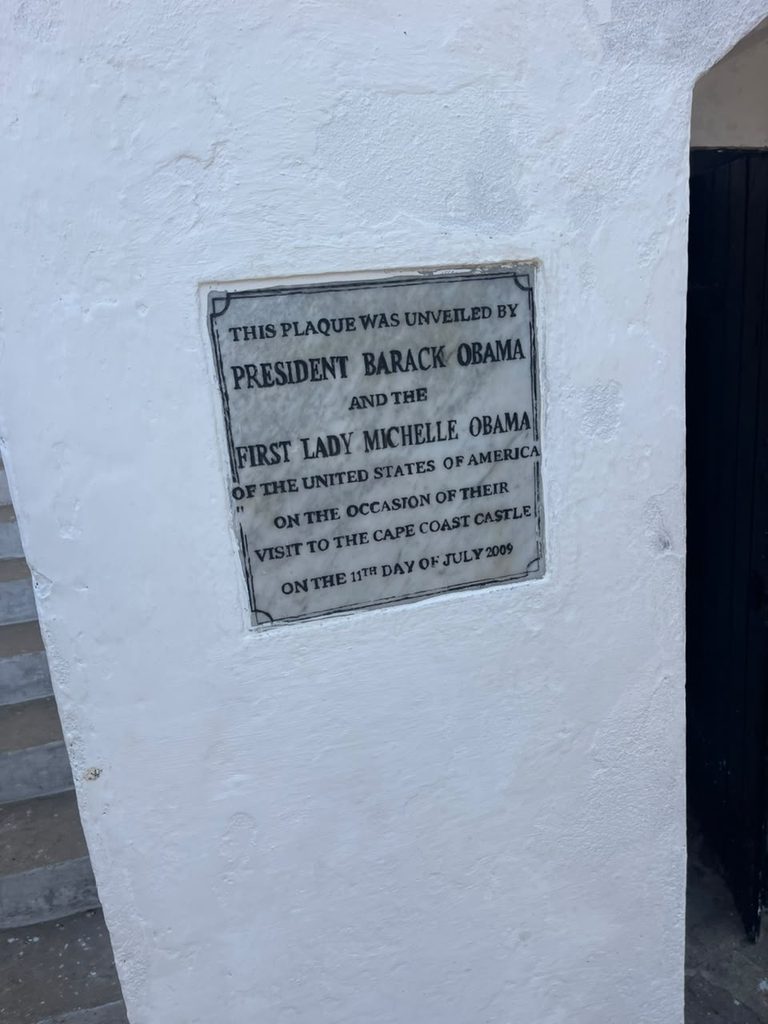
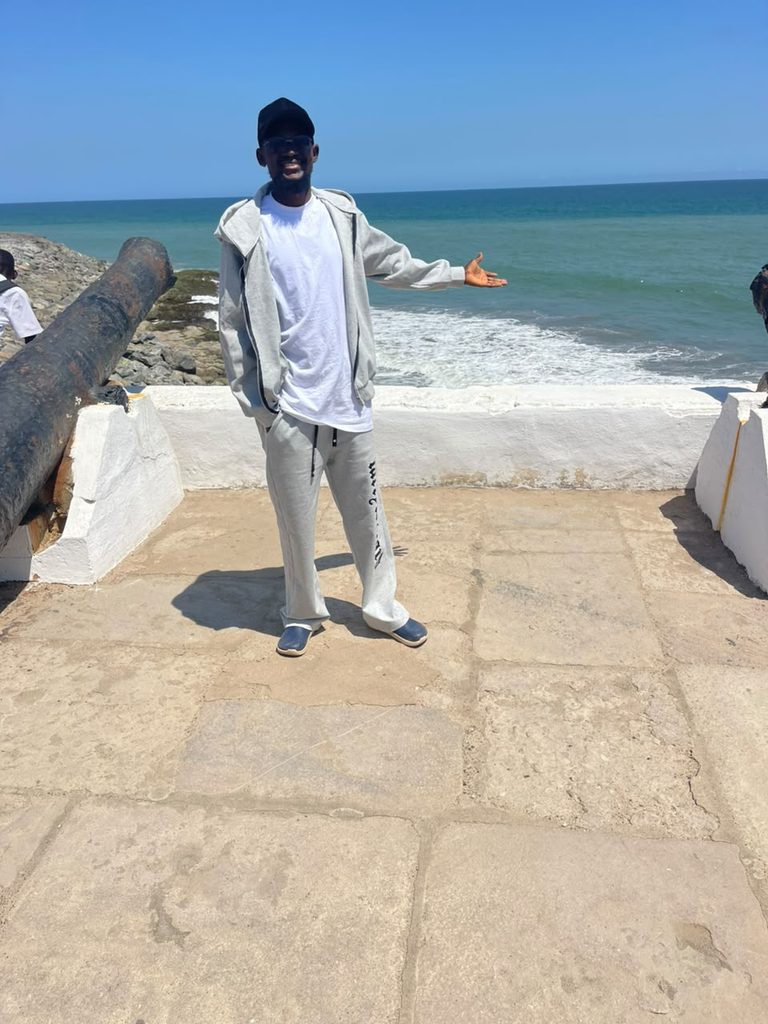
Then came the Door of No Return, the passage through which enslaved Africans were led towards the coast and the ships that carried them across the Atlantic. Standing before it, I found myself asking questions about humanity, freedom, and identity, and about the generations whose lives were changed forever. For many, it was a door that led away from home. For us who stand there today, it is a door that calls us to remember.

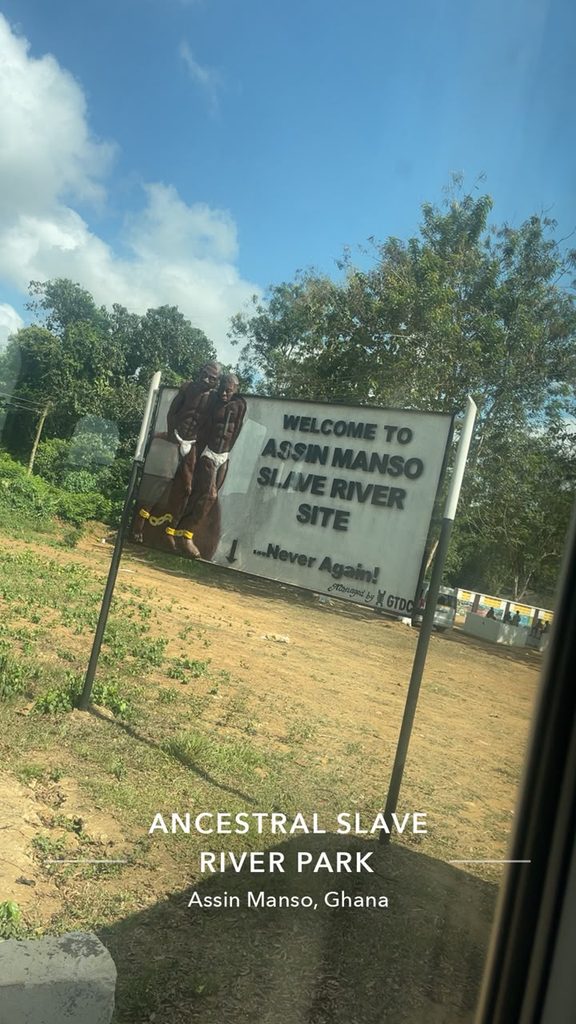
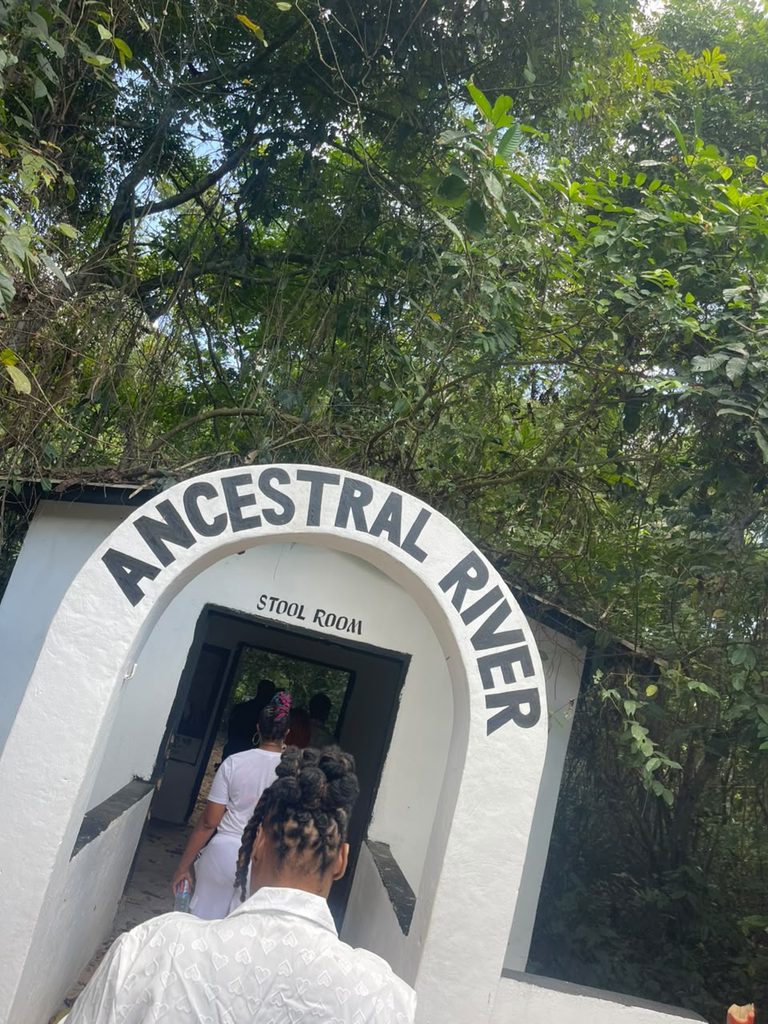
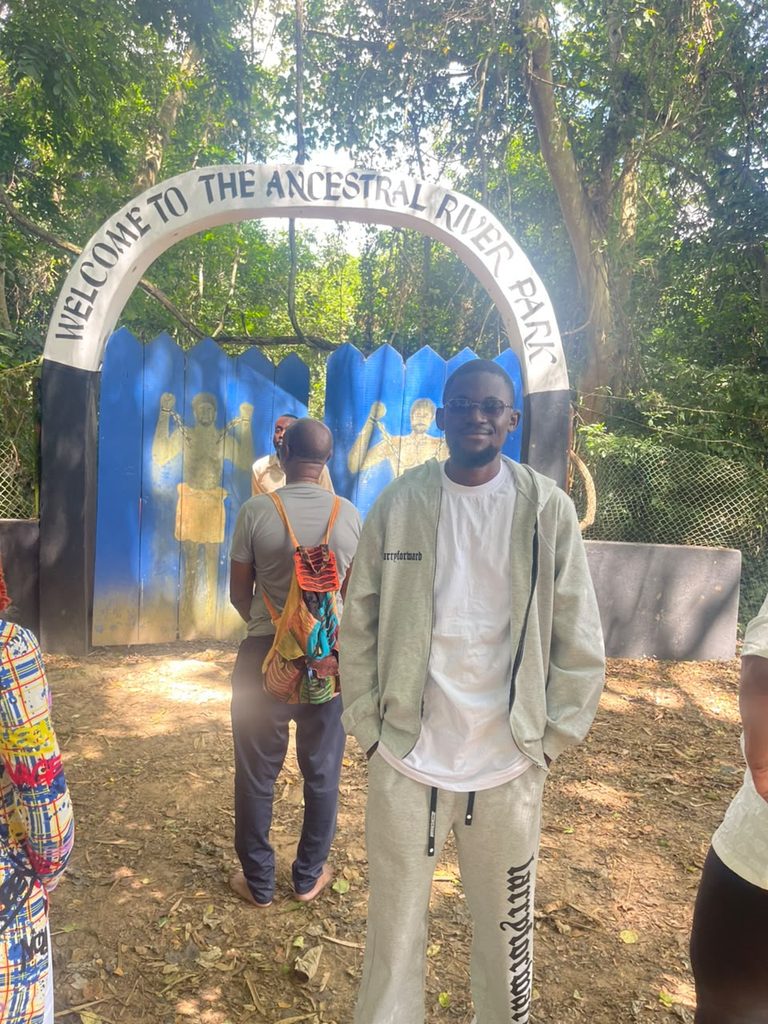
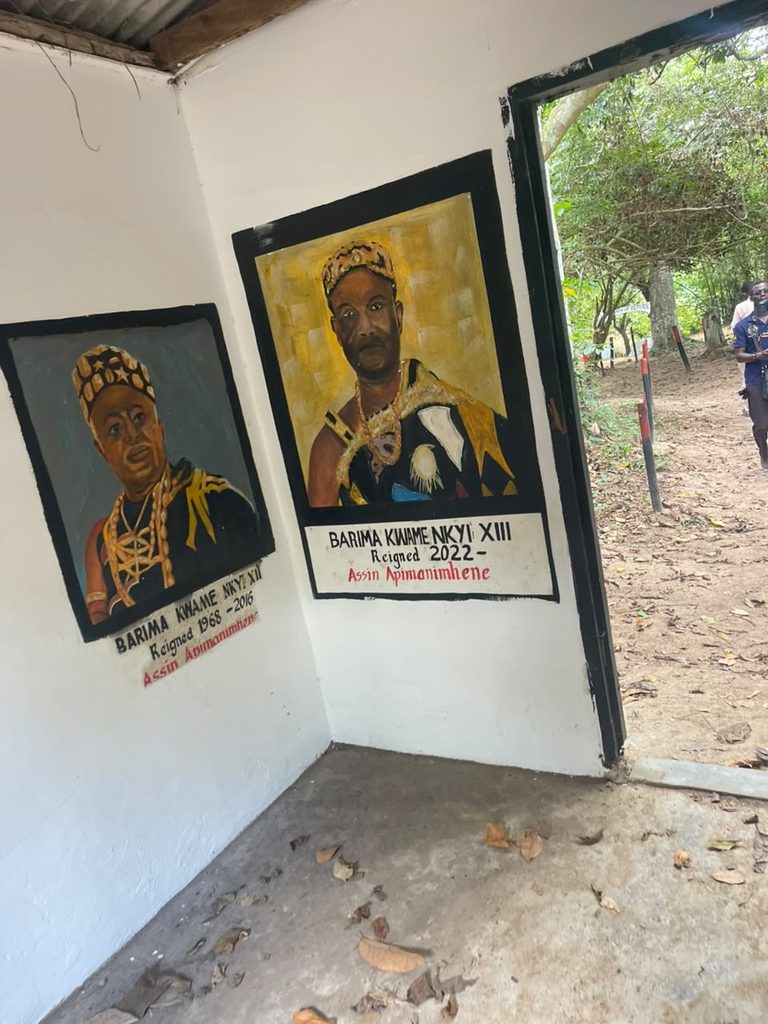
The journey continued to the Assin Manso Ancestral Slave River Site, also known as Donkor Nsuo, in Ghana’s Central Region. Assin Manso formed part of the route along which enslaved Africans were moved from the interior towards the coastal forts, and the site is associated with the final bathing of some captives before they continued their journey to the castles. Standing there, I understood that slavery was not a story confined to the castles by the sea. It began far inland, along long and difficult routes, before many reached the coast. Assin Manso connected places, people, and events that we so often discuss separately, making the history of that era feel closer and more human.
By then, my mind was heavy, and Ghana had a way of lifting it. Africa has always known how to gather people around food, and Ghana does it with a generosity that I will not forget.
There was fufu, soft and smooth, pounded to perfection and served in rich, steaming soup. There was goat stew, tender and deeply flavoured, the kind of meal that makes you slow down and savour every spoonful. There was waakye, that hearty and colourful Ghanaian favourite, served with its many accompaniments. There was banku with grilled tilapia and hot pepper, kenkey with fried fish, and red red, the beloved beans and fried plantain that comforted like a hug. There was groundnut soup and palm nut soup, each with its own character, and kelewele, spicy fried plantain that I found hard to stop eating. Even the humble Ghanaian shito, that dark and fiery pepper sauce, found its way onto my plate more often than I planned. And of course, there was Ghana jollof, which every Nigerian visitor must taste with an open mind, and perhaps a smile.
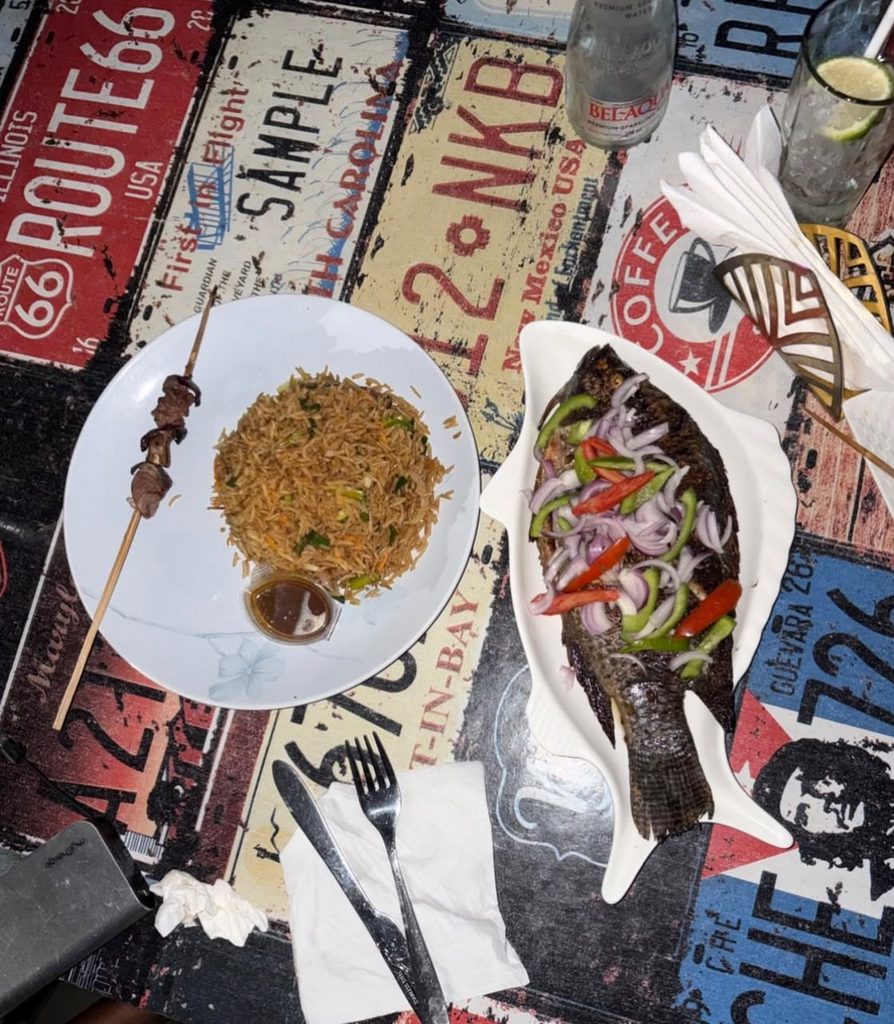
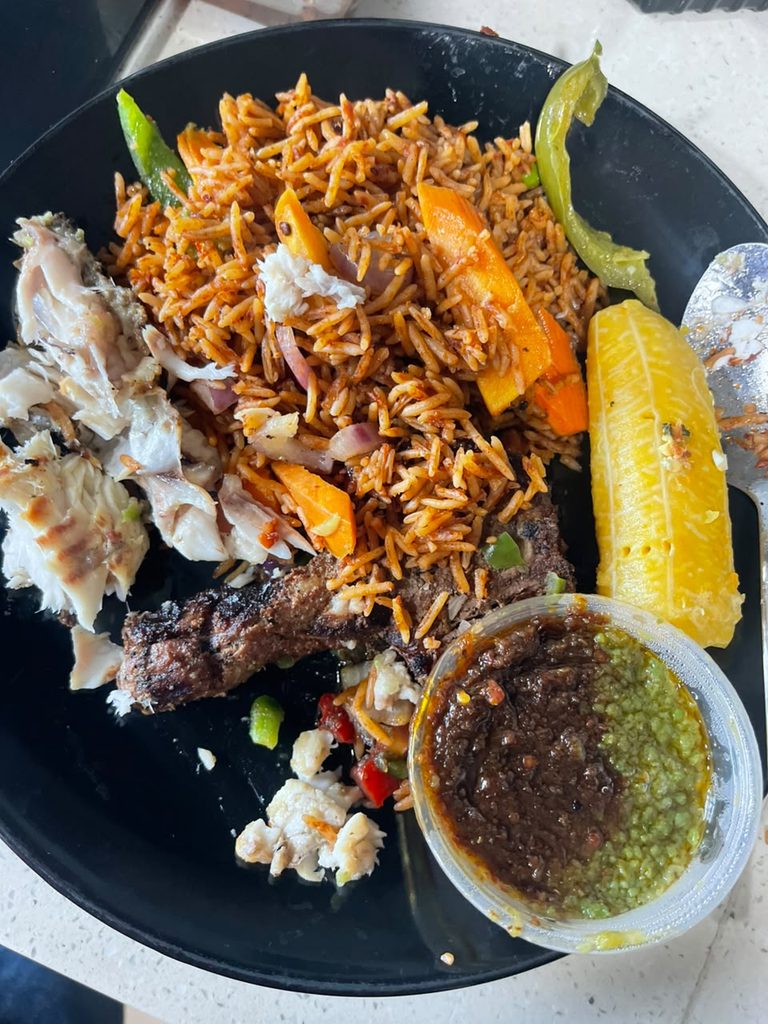
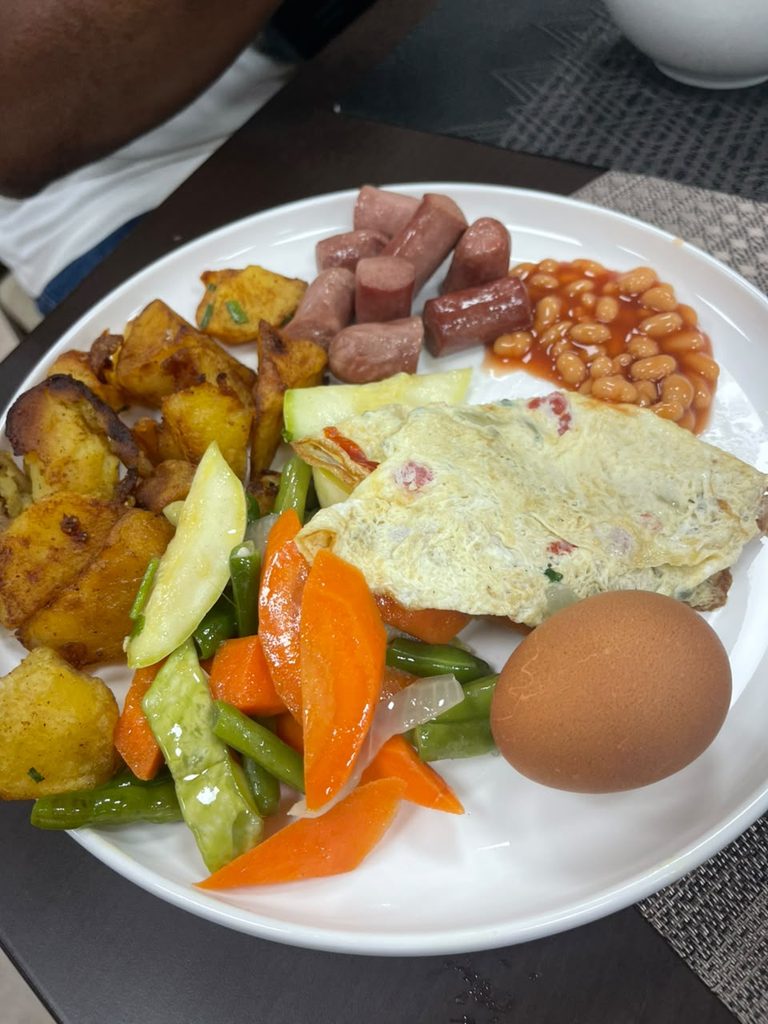
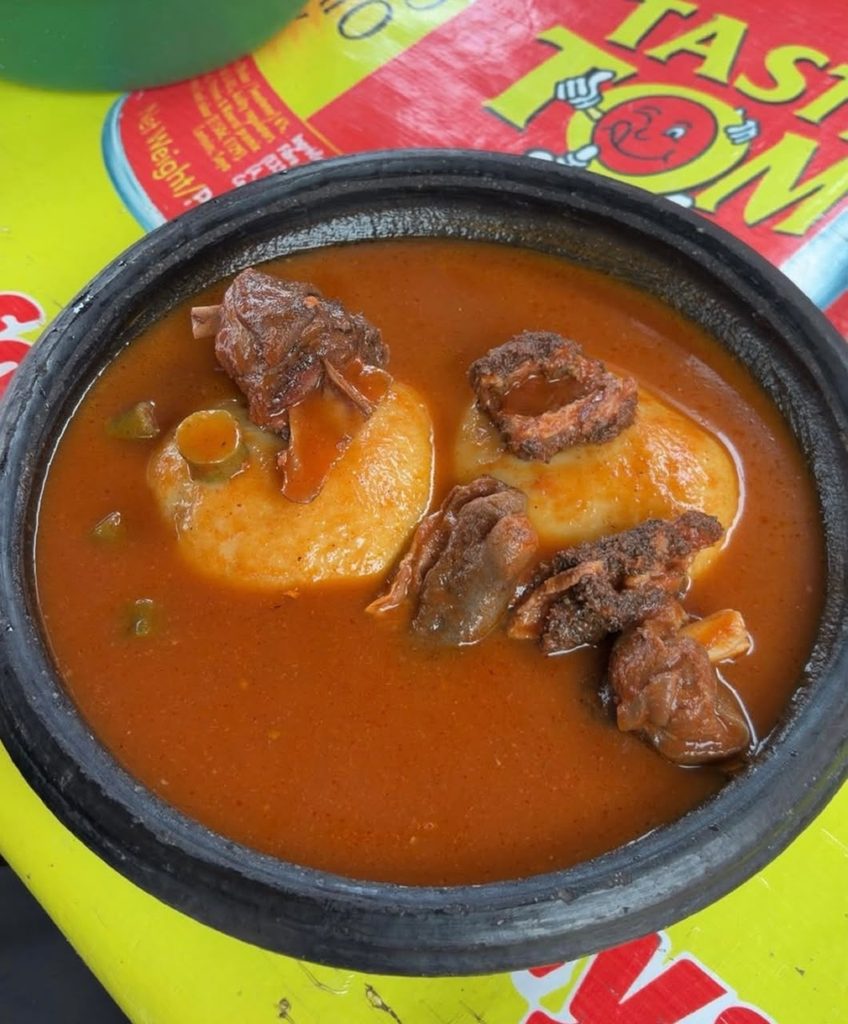
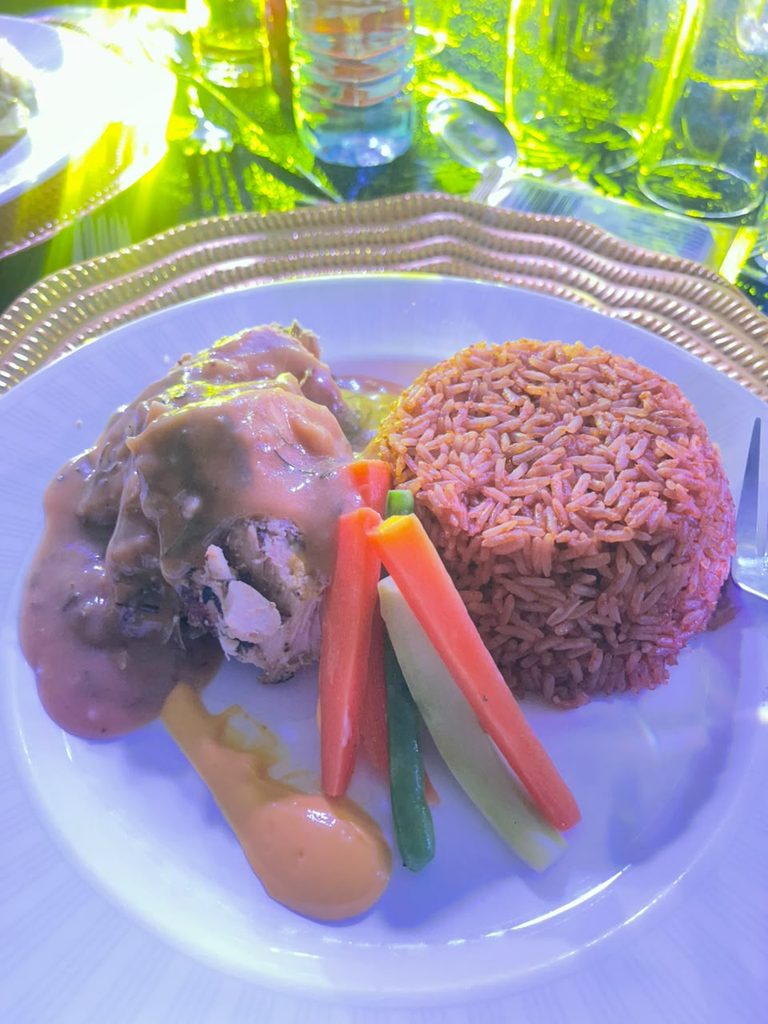
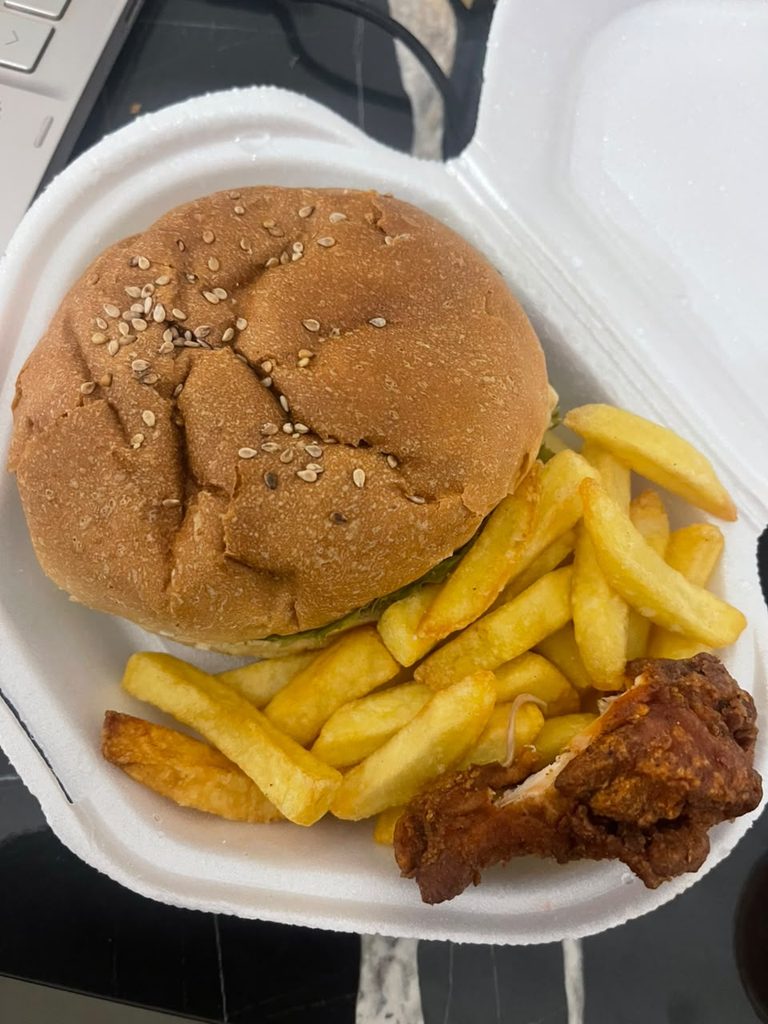
In the mornings, there was hausa koko with bofrot, and along the road, there were drinks like sobolo to cool the heat. As a Nigerian, I recognised echoes of home in some flavours and was delighted by surprises in others. Every dish felt like a lesson in tradition, a reminder that a people’s story is told not only in monuments and museums, but also in their kitchens.
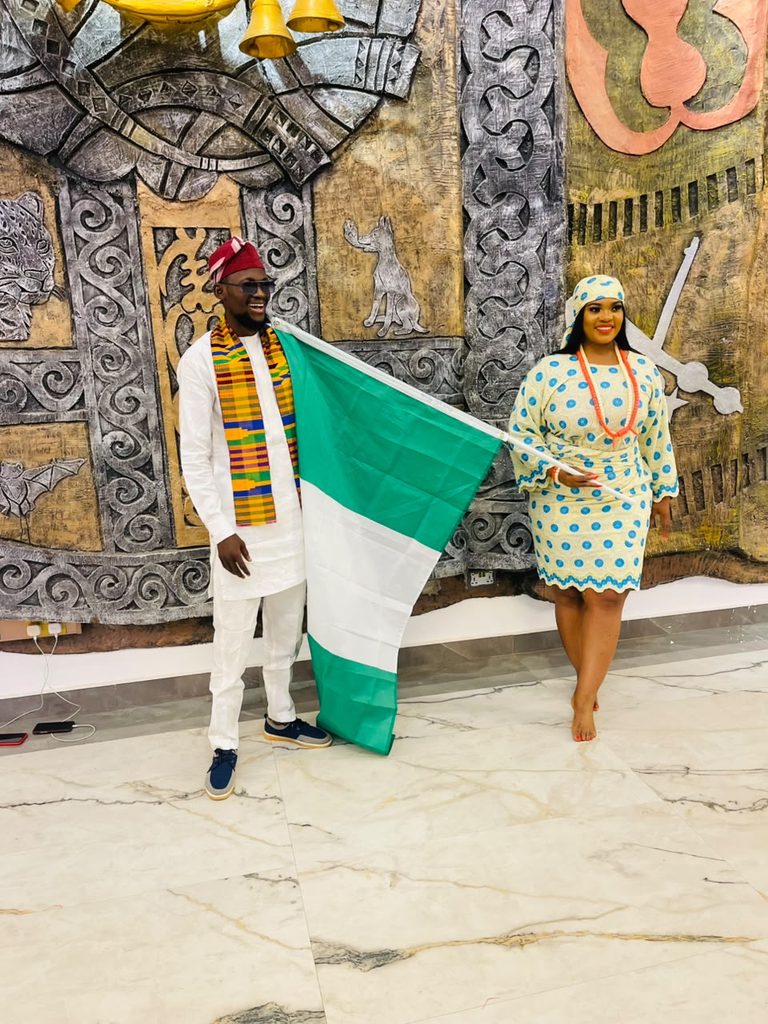
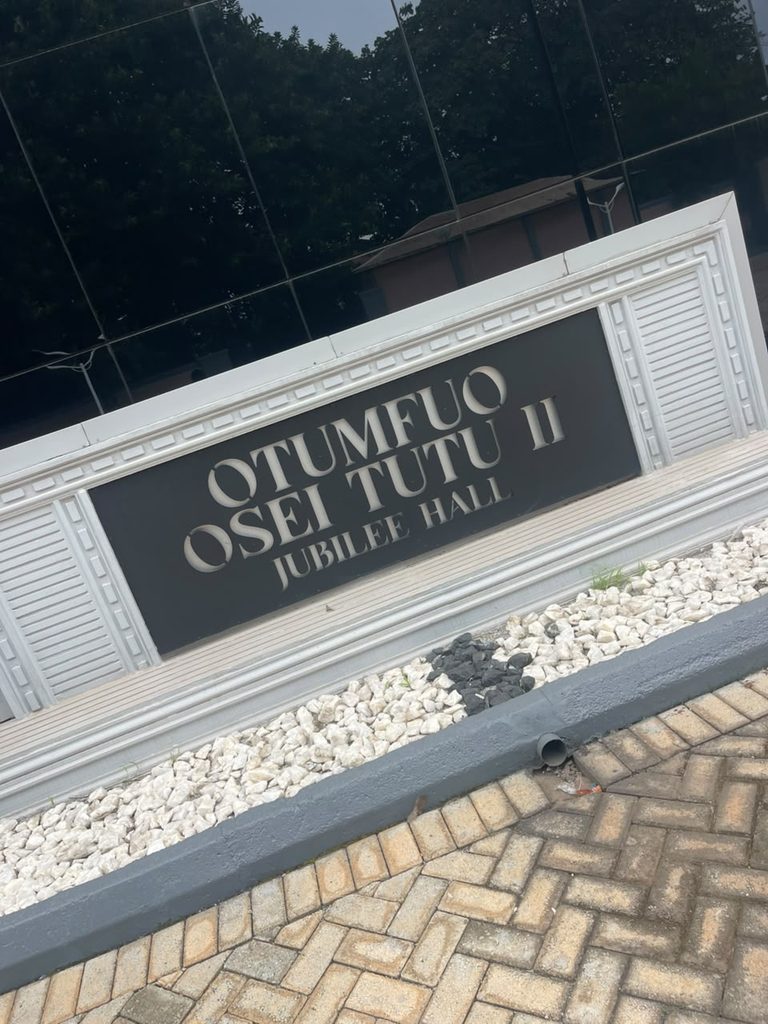
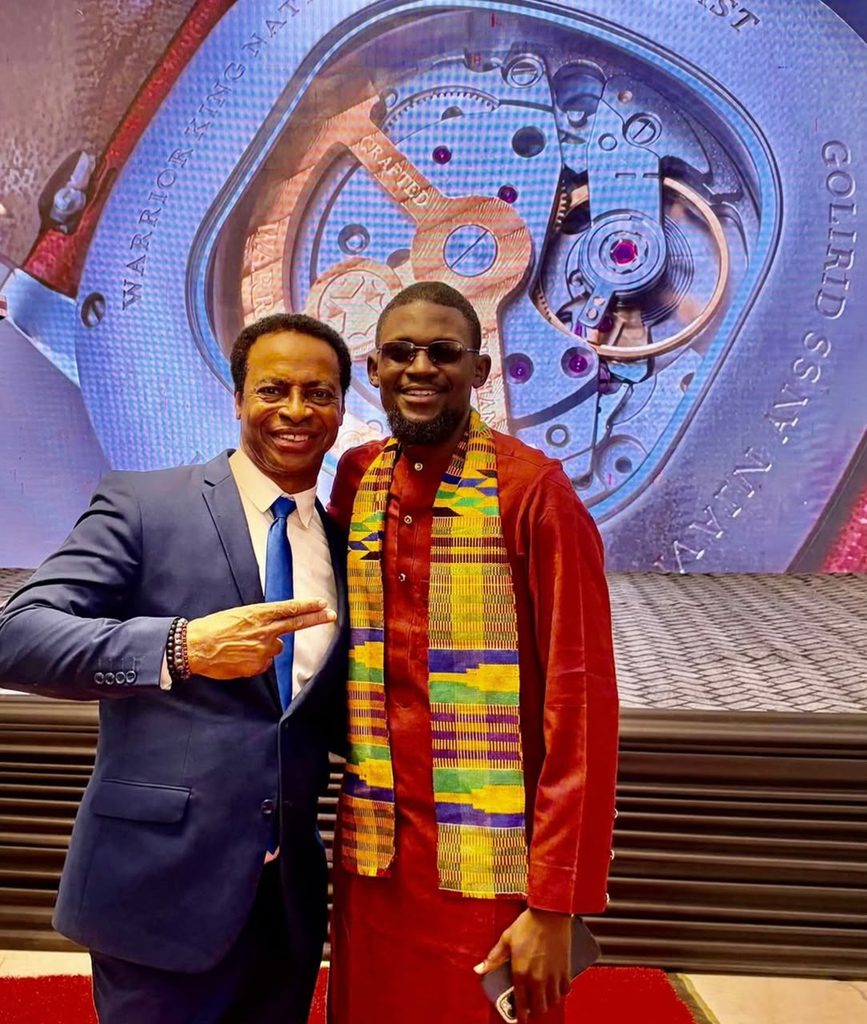
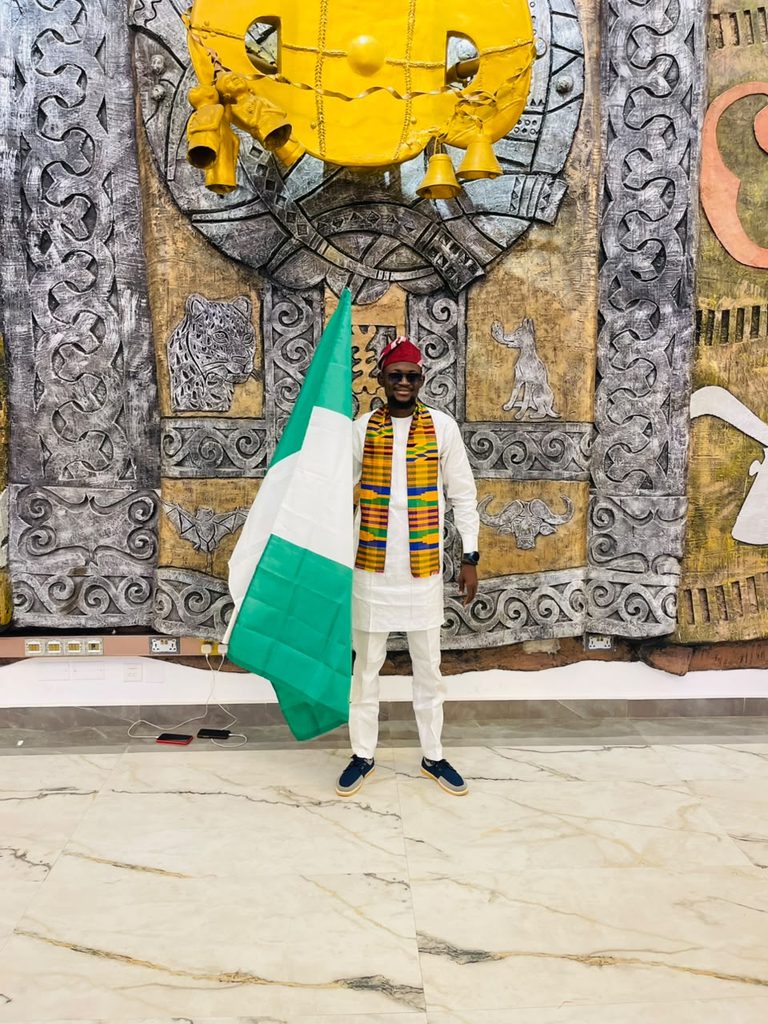
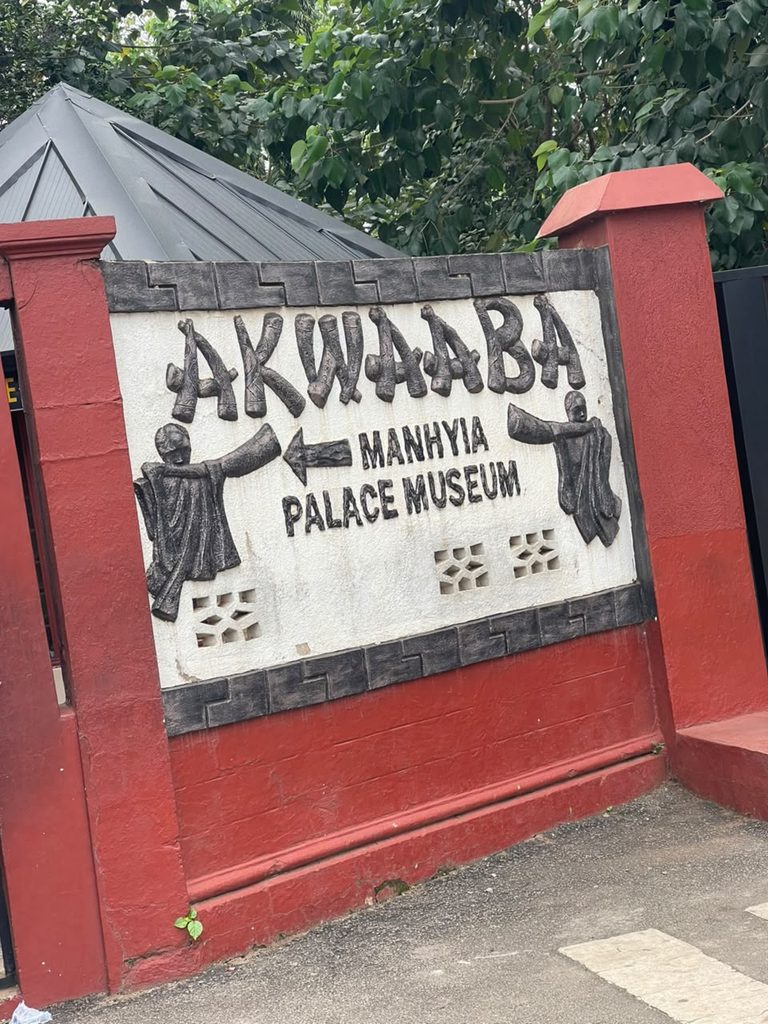
The journey also took me to Kumasi, where I attended the African Kings Night Award, held in honour of His Majesty Otumfuo Osei Tutu II, the Asantehene, at the Jubilee Hall of Manhyia Palace. The event honoured Otumfuo as “The King of the African Diaspora” and celebrated African royalty, culture, tradition, and heritage. It offered a different, yet equally significant, experience: a gathering centred on African identity, leadership, and the enduring bond between Africa and its Diaspora.
After the painful history preserved at Cape Coast Castle and Assin Manso, being at Manhyia Palace felt like witnessing another side of Africa, one of tradition, royalty, pride, and continuity. It reminded me that our story is not only one of pain. It is also one of resilience, dignity, and a heritage that refuses to fade.
From the historic streets of Cape Coast to the ancestral memories of Assin Manso, from the royal atmosphere of Manhyia Palace to the unforgettable meals shared along the way, my visits to Accra, Cape Coast, and Kumasi became more than sightseeing. They became a chance to reflect on Africa’s past, appreciate its present, and consider the importance of preserving its history for future generations.
Ghana taught me that history is not always something to read in books. Sometimes it is something to stand inside, walk through, and feel. It taught me that people can carry sorrow and joy in the same breath, that a table can hold as much culture as a palace, and that those who came before us deserve to be remembered, both in their pain and in their triumph.
It was a journey through Ghana, but more importantly, it became a journey through memory, history, culture, and African identity. And I would gladly make it again.